


Inspired by Charbonneau to Get Wilsonville More Prepared
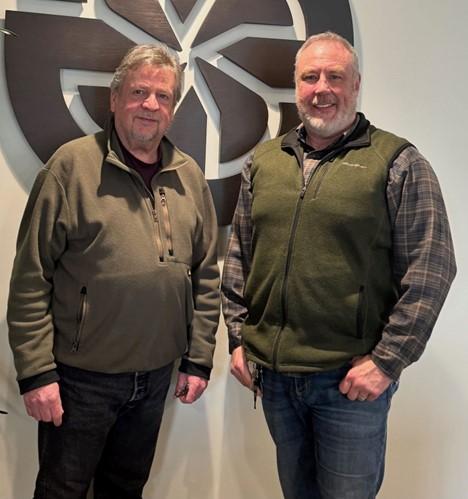
By Councilor Sam Scull
The same things that make Wilsonville a great place to live — strong neighborhoods, parks and trails, good schools, and active volunteers — can give us a huge advantage when it comes to resilience in the face of an emergency.
Emergency preparedness requires building a community-wide culture of neighbors looking out for one another. Community resilience takes an organized, coordinated effort among residents, homeowner associations (HOAs), local businesses, and local/regional government entities.
Because first responders will undoubtedly be stretched thin in the aftermath of a major emergency, neighbors may become the first line of help for the first hours — or even days.
One of my personal goals is to grow Wilsonville’s culture of community preparedness by helping neighborhoods and HOAs create a simple emergency plan with local captains, basic training, and clear communication so that when something happens, every resident is better prepared to give or receive help when needed.
Wilsonville’s Charbonneau neighborhood is already demonstrating that community-level readiness is achievable, and that it works. I recently had the opportunity to sit down with Neil Kennedy, Charbonneau’s Community Safety Coordinator, to gain some valuable insights and information about the Charbonneau Emergency Response Plan.
An HOA-community with about 1500 households, Charbonneau’s resident-led preparedness efforts provide a great example of what’s possible. Their coordinated effort proves that HOAs can organize preparedness without overwhelming volunteers, and that simple systems (maps, communications systems, captains, training) make a huge difference.
In Charbonneau, a community safety coordinator and an emergency preparedness/public safety committee provide leadership, structure and consistency. Leadership is supported by more than 100 captains and medically-trained residents who can take action if responders are delayed. Residents have access to resources, including checklists, home-readiness guides, and practice drills.
Critically, Charbonneau’s plan complements the City’s efforts, aligning directly with the City’s larger preparedness goals. Charbonneau’s approach has demonstrated how neighborhood-level organization works. With captains, trained volunteers, good communication, and regular drills, they’ve built a community able to support itself in those critical first hours.
Preparedness is built over time, and I believe Charbonneau’s model could be tailored to fit other communities within Wilsonville. By weaving preparedness into HOA routines, strengthening partnerships between neighborhoods and the City, and sharing the tools that already work, we can build a community where households know the basics, and where every HOA has designated leaders and a simple plan.
Our people are our strength. If we invest in preparedness, we’ll be ready when the unexpected happens. We won’t face it alone; we’ll face it as a community. I’d love to help facilitate that investment.
If you are active in your community and/or HOA, I’d love to connect to discuss how to begin expanding individual and community preparedness throughout Wilsonville. E-mail me today (scull@wilsonvilleoregon.gov) or call 971-804-0613 to get in touch, so we can start the conversation.
For a few tips and resources to aid your work to become more prepared, visit WilsonvilleReady.com.
